Textiles & bedding
Coyuchi Duvet Covers: Organic Cotton, Texture, and Care
A duvet cover is both a working layer and a visible one: it shields an insert from everyday use while shaping the bed’s texture, color, and feel. To choose a Coyuchi duvet cover with confidence, look beyond its appearance. Fiber, weave, finishing, construction, and care instructions all influence how it performs in daily life.
Published November 14, 2026
In the quiet geography of a bedroom, the duvet cover occupies a broad stretch of territory. It is the first surface the hand meets at night and one of the largest areas of color and texture in the room. It must make a bed feel inviting, but it also has a practical assignment: protect the duvet insert and allow it to be cleaned more easily than the insert itself.
That balance makes material choice important. Cotton can feel crisp, smooth, brushed, or softly rumpled depending on its yarn, weave, and finishing. Organic cotton describes how the fiber is grown and certified under a particular standard; it does not, by itself, tell you whether the fabric will feel cool or warm, matte or lustrous, firm or fluid. Those qualities are shaped by the whole textile—the fiber, the construction, and the finishing choices that follow.
When exploring Coyuchi duvet covers, treat the product label and care information as a map. Check the stated fiber content, weave or finish, closure style, and laundering directions for the specific cover. Collections and details can change, so avoid assuming that every cover from a brand shares identical construction. A thoughtful choice begins with your sleep preferences and your home routine, then matches them to the qualities actually listed for the item.
The role of the duvet cover
A duvet cover works like a removable outer skin. It encloses the insert, helping shield it from body oils, dust, and everyday contact. Because the cover can usually be washed separately, it gives households a manageable way to refresh bedding without laundering a bulky duvet insert as often. This can be especially useful where a comforter or insert is difficult to fit into a home washing machine.
Fit matters as much as fabric. A cover that is too small can compress an insert and make it bunch; one that is too large may leave loose corners and an uneven surface. Before choosing a size, compare the cover’s dimensions with those of the insert rather than relying on the bed-size name alone. Two items described as queen, for example, may not have precisely matching measurements. A small difference can affect drape, loft, and how smoothly the bed is made.
Look, too, for the construction details that keep the insert in place. Interior ties, loops, or other fastening points can help limit shifting, while the opening and closure determine how easily the cover can be removed for washing. A convenient closure is not merely a finishing touch: it can make regular laundering less of a chore. Confirm what the particular product includes, since construction varies from cover to cover.
Organic cotton: what the label can tell you
Cotton begins as a plant fiber, but the finished cloth can take many forms. In an organic cotton duvet cover, the term “organic” primarily concerns the agricultural and processing standards represented by the product’s certification or documentation. It is not a promise of a particular hand feel, thread count, weight, or level of airflow. Those qualities depend on how the cotton is spun, woven, and finished.
When a cover is described as certified organic, read the certification details rather than treating the word as a complete description. A certification may apply to the fiber, the finished textile, or a wider chain of production, depending on the standard. If this distinction matters to you, look for the named standard and learn what its scope covers. Clear product information is more useful than broad environmental language alone.
Cotton’s familiar appeal is partly its versatility. It can be woven into a light, crisp cloth or a denser fabric with more body. It can also be finished to emphasize smoothness, softness, or a naturally textured surface. For bedding, cotton is often valued for being comfortable against the skin and practical to maintain, but individual experiences vary. Room temperature, duvet warmth, personal comfort, and the rest of the bedding layers all influence how a cover feels overnight.
Organic cotton is therefore best understood as one part of a selection decision. Pair the information about sourcing with the fabric’s construction and care instructions. If you want a soft, relaxed surface, seek a product description that explicitly identifies a soft or washed finish. If you prefer a more structured or crisp feel, look for a description of the weave and hand feel that supports that preference. A fiber label alone cannot make the distinction.
Weave and texture: reading the surface
Weave is the arrangement of yarns crossing one another to form cloth. Small changes in that arrangement can give cotton very different characters. A percale-style construction is commonly associated with a matte, crisp hand and an airy impression. Sateen uses a different arrangement that can produce a smoother surface and a soft sheen. These are general characteristics, not guarantees: yarn quality, fabric weight, finishing, and use also shape the result.
Texture can be deliberately quiet or prominent. A smooth duvet cover often gives a bed a neat, clean outline, especially when paired with plain sheets. A more visibly textured fabric can bring depth to a restrained color scheme, allowing the material itself to provide interest. Slightly irregular yarns or a relaxed finish may create a lived-in appearance, while a flatter cloth can seem more tailored. Neither approach is inherently better; the right one depends on the atmosphere you want and how much texture you enjoy against the skin.
Descriptions such as “washed,” “brushed,” or “crisp” point toward finishing or feel, but they should be read alongside the care label. Finishing can influence softness, drape, and surface character. It may also affect how the cloth looks after laundering. If you are sensitive to texture, consider whether the product description gives enough detail to answer your questions, and seek clarification from the seller when important information is missing.
Thread count is only one measure of a fabric, and it should not be treated as a universal ranking. The number describes threads within a specified area, but it does not reveal everything about yarn quality, weave, finishing, or durability. A well-made fabric with a moderate thread count can suit someone better than a denser one, especially if the preferred feel is light and breathable. For a duvet cover, consider the complete description and not a single number in isolation.
Breathability and the sleep environment
People often describe cotton bedding as breathable, but the sensation of sleeping cool is produced by more than the fiber name. Fabric weight, weave density, room temperature, humidity, duvet fill, and the sleeper’s own heat regulation all play a part. A lighter or more open construction may feel airier than a dense one, yet a warm duvet insert can still hold considerable heat. The cover is one layer in a larger system.
For warmer sleepers, compare covers by their stated weave, weight, and surface feel, then consider whether the duvet insert itself suits the season. A light cover cannot fully compensate for an insert that is too warm for the room. In cooler conditions, a cover with more body may feel comforting, particularly when paired with appropriate layers. Seasonal adjustments can be as simple as changing the insert or adding a blanket rather than replacing the entire bedding set.
Moisture comfort is also personal. Cotton can absorb moisture, but how dry or clammy a bed feels depends on airflow, room conditions, and how quickly moisture can disperse from the layers. Keep bedding clean and dry, allow the bed to air when practical, and follow washing and drying directions. These ordinary habits help preserve freshness without making claims that one material can solve every sleep concern.
Care that protects the fabric
The safest care routine is the one printed on the specific cover’s label. Cotton duvet covers do not all have identical finishes, dyes, closures, or construction, so a general rule should never override the manufacturer’s instructions. Before the first wash, check the recommended water temperature, cycle, detergent guidance, drying method, and any warnings about bleach or ironing.
- Wash with similar colors. Sorting by color helps reduce the chance of dye transfer, especially when a cover is new or deeply colored.
- Use a suitable cycle. Choose the setting specified on the care label. A gentler cycle can reduce agitation where the instructions allow it.
- Measure detergent carefully. More soap does not necessarily mean cleaner fabric. Follow the detergent directions and avoid leaving residue in the cloth.
- Close fasteners before washing. Securing buttons, zippers, or other closures where appropriate can help prevent tangling and protect nearby items.
- Dry as directed. High heat and overdrying can place unnecessary stress on fibers and may contribute to shrinkage or a rougher hand. Use the label’s recommended method.
- Remove promptly. Taking the cover out when the cycle ends can reduce deep creasing and make the bed easier to remake.
If the label permits machine drying, use the stated temperature and avoid leaving the fabric in a hot drum longer than necessary. If line drying is recommended, spread the cover so it can dry evenly and securely. A duvet cover is a large piece of fabric; a crowded machine or tightly packed dryer may prevent it from washing or drying evenly. Follow appliance capacity guidance as well as the textile label.
Wrinkles are not necessarily a sign of poor quality. Cotton naturally creases, and the appearance depends on weave, finishing, drying, and how the cover is stored. If you prefer a smooth bed, remove the cover promptly and straighten it while slightly warm or damp if the care directions permit. Iron only when the label allows it. For a relaxed look, a little rumpling can be part of the fabric’s character rather than a problem to correct.
Stains are easiest to address when noticed early. Blot rather than aggressively rub, and use a cleaning approach compatible with the care instructions and the stain itself. Test any treatment on an inconspicuous area when appropriate. Avoid chlorine bleach unless the label specifically permits it; it can damage fibers or alter color. For persistent stains or delicate finishes, consult a professional cleaner rather than escalating to harsh methods.
A bedroom style built from layers
A duvet cover sets a large visual field, but it does not have to carry the whole design of a bedroom. Begin with the feeling you want—quiet and spare, soft and layered, or more graphic—and choose color and texture accordingly. White and pale neutrals can reflect light and make smaller rooms feel open. Deeper shades can give the bed a more grounded presence. Muted colors often work as a bridge between patterned accents and plain sheets.
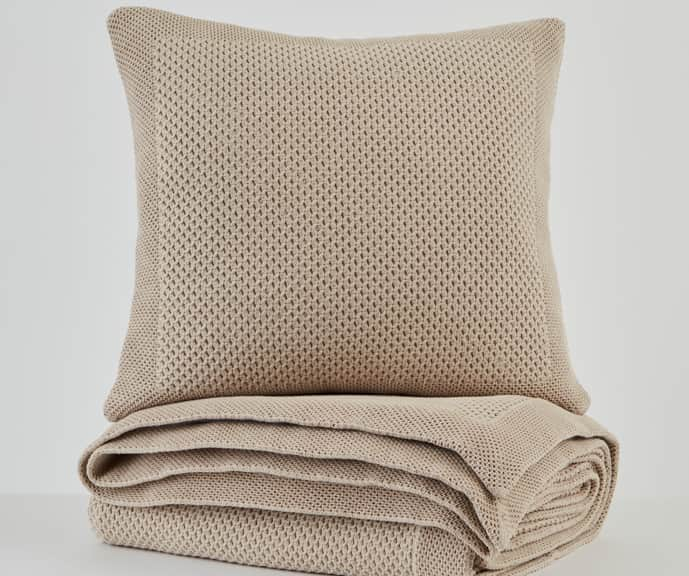
Texture adds dimension without requiring a complicated palette. Pair a smooth cover with a knitted blanket or a textured coverlet; combine a subtly rumpled surface with clean-edged pillowcases for contrast. The goal is not to make every layer match exactly. Repeating a color or material in two places can create coherence, while differences in weave and weight help the bed feel considered rather than uniform.
For a practical arrangement, keep the sleeping surface comfortable first and add decorative elements selectively. Extra layers can be folded at the foot of the bed or removed at night. Pillow covers and shams may echo the duvet cover without duplicating it precisely. In a warm room, fewer layers may be more comfortable; in a cooler room, a blanket can provide adaptable warmth. The bedding should respond to the household, not just to a photograph.
A considered checklist before choosing
Before settling on a Coyuchi duvet cover, take a moment to compare the details that influence everyday use. A concise checklist can prevent an appealing surface from becoming an inconvenient purchase.
- Fiber: Confirm whether the cover is cotton, organic cotton, or a blend, and review any stated certification information.
- Construction: Look for the named weave, fabric weight, or finish if those details are available.
- Feel: Decide whether you prefer crisp, smooth, soft, or visibly textured bedding, then match the description to that preference.
- Fit: Compare the cover and insert dimensions, and check whether the cover includes ties or another method for securing the insert.
- Closure: Consider how the opening fastens and whether the design will be straightforward to manage during changes.
- Care: Confirm the washing and drying instructions suit your available time, equipment, and preferred routine.
- Coordination: Think about existing sheets, blankets, and pillowcases so the new cover can work with layers you already own.
Care as a long-term habit
Good care is less about elaborate rituals than about consistency. Wash bedding at a frequency that suits your household, skin, climate, and personal routine. Air the bed when convenient, keep the cover dry between uses, and store clean bedding in a dry place with enough room for air to circulate. Avoid sealing a cover away while it is still damp, since trapped moisture can lead to musty odors and unpleasant storage conditions.
Rotating between covers, if you own more than one, can spread wear across the set and make laundry easier to schedule. This is also a useful way to shift the mood of a room without changing every layer. A neutral cover can serve as a steady foundation, while a second option in a different color or texture brings a seasonal change. The most durable choice is often the one that fits your habits well enough to be cared for properly.
Over time, cotton may soften and show the traces of use. Natural fibers are not static surfaces; washing, drying, and repeated contact gradually alter their hand and appearance. Follow the care instructions, but allow for the fact that a lived-in textile will not remain exactly as it was on the first night. For many households, that gradual change is part of the appeal: a familiar softness shaped by use rather than a finish designed to look untouched.
Choosing for comfort, not a single claim
The best duvet cover is not defined by one label, a thread-count figure, or a promise of effortless care. It is the one whose fiber, weave, finish, dimensions, and maintenance instructions fit the way you sleep and live. Organic cotton may be an important priority; for another person, the deciding factor may be a crisp hand, easy laundering, or a texture that softens the room.
Approach Coyuchi duvet covers as textiles to be understood rather than as a single category with one fixed feel. Read the details of the exact cover you are considering, compare them with your existing bedding, and think about the conditions in which it will be used. A well-chosen cover protects its insert, supports a comfortable sleep environment, and brings an enduring sense of order to the bedroom—one quiet layer at a time.