Explore the essentials of selecting linen bedding that enhances comfort, breathability, and style. This guide highlights key fabric traits, care tips, and simple ways to incorporate linen into various bedrooms.
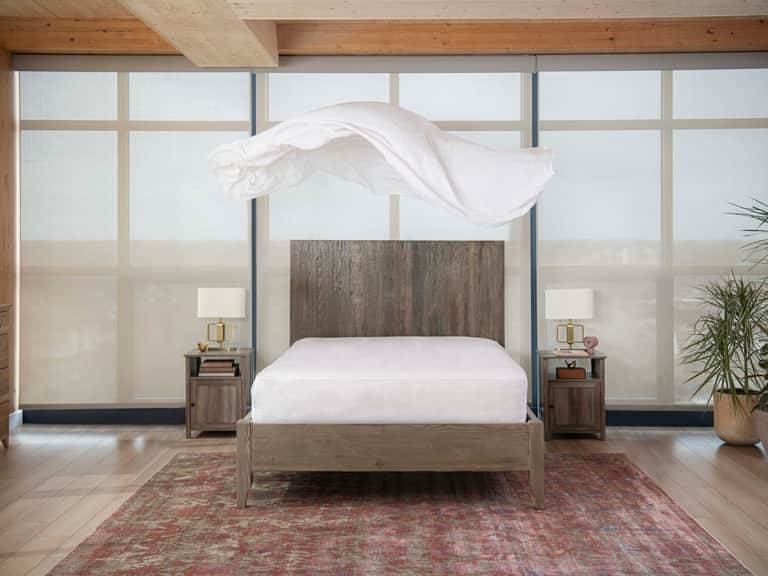
Linen, with its centuries-old pedigree and contemporary appeal, embodies a philosophy of sleep that treats the body with quiet respect. It is not merely a textile; it is a temperament. In the heat of a Dallas summer, the linen sheet’s cool touch becomes a small act of defiance against the heat. In cooler months, its subtle weight folds into the bed like a soft argument you’re glad to revisit each night. The material’s natural breathability and moisture-wicking properties create a climate inside the sheets that feels less like climate control and more like alchemy—temperature regulated by nature, not by a thermostat.
This guide unfolds like a conversation with linen—a fabric that has dressed human bodies for ages and continues to adapt to modern sensibilities: sustainable, durable, and increasingly accessible. We’ll look at how weight, weave, and laundry requirements influence your choice of sheets and duvet covers. We’ll explore care routines that preserve color and texture, and we’ll offer styling ideas that integrate linen with other natural fibers to cultivate a calm, inviting sleep space. Finally, we’ll meet a few figures from different historical moments whose work and ideas illuminate the linen conversation—from the handloom weavers of yesteryear to today’s textile innovators.
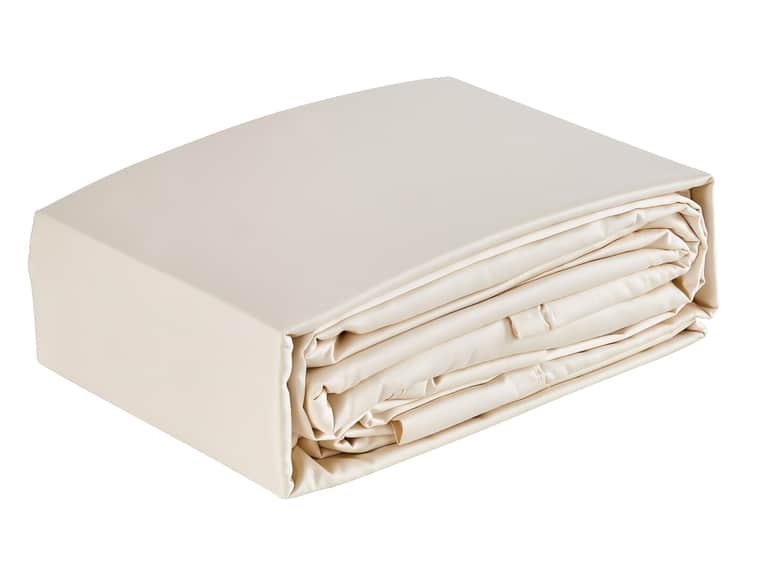
We also spotlight a premium option to illustrate how the best linen can elevate everyday life. Naturepedic’s Organic Linen Duvet Cover Sets embody many of linen’s virtues: breathability, moisture management, and a tactile softness that deepens with each wash. For readers curious about the tactile and sensory aspects of linen, this product stands as a testament to what well-made linen can feel like when it’s woven with care and finished with intention.
Linen’s hollow fibers create a lattice of air channels that promote airflow across the surface of the fabric. In practical terms, that means a bedding layer that breathes with you rather than against you. It wicks moisture away, helping you stay cool in warm months and offering a gentle amount of insulating warmth when the temperature drops. This dual capability—cooling in summer, warmth in winter—gives linen a kind of seasonal neutrality that many textiles struggle to achieve.
Beyond climate control, linen’s texture contributes to a sense of calm. The fabric’s natural irregularities—its characterful weaves and subtle slubs—create a tactile landscape that signals rest and relaxation. This is not merely about function; linen also engages the senses, inviting you to slow down as you tuck in for the night.
Key considerations include weight, weave, and laundering demands. Weight affects how the fabric drapes on the bed and how warm the bed feels in cooler months. Weave choices influence both texture and durability. Laundering needs—how often you’ll wash linen and how you dry it—determine the long-term beauty of the fabric. The right blend of these factors yields sheets and duvet covers that stay cool, feel soft, and age gracefully.
Linen requires thoughtful care to retain its character. Unlike many modern fabrics, linen appreciates a gentle approach that respects its natural tendencies toward wrinkling and texture. The good news is that linen gets better with use and washing, developing a softer hand without sacrificing durability. A few practical tips can help you maximize longevity and beauty:
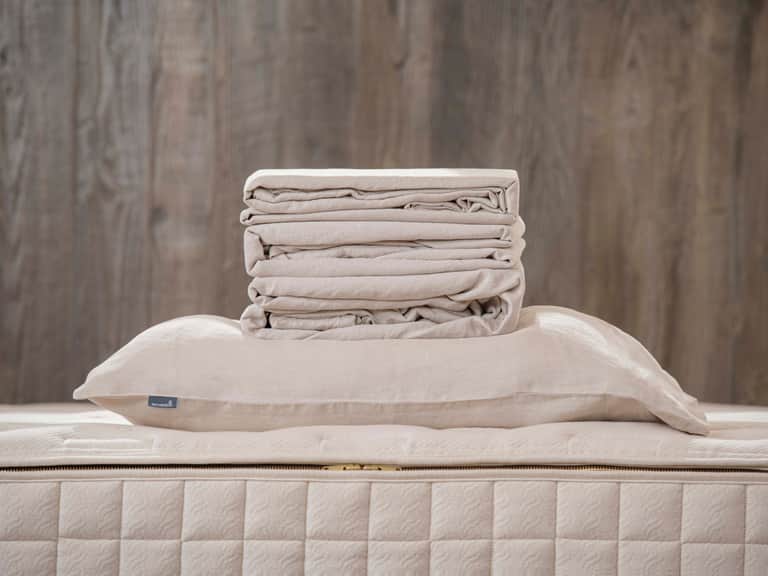
If you’re new to linen, a sensible approach is to start with a linen sheet set paired with a coordinating duvet cover. Layering linen with other natural fibers—such as a cotton percale or a silk-blend blanket—creates a balanced texture profile that feels rich without being heavy. For those who enjoy a calm, nearly monochrome palette, mixing linen in neutral tones (cream, dove gray, and taupe) yields a serene sanctuary that’s easy to refresh with seasonal accents.
For a quick anchor, consider pairing Naturepedic Organic Linen Sheets with the Naturepedic Linen Duvet Cover Sets. The combination offers consistent breathability, color harmony, and a shared commitment to organic materials.
To understand linen’s cultural trajectory, we meet three individuals whose lives intersect with textiles at different moments in history. Their stories illuminate how linen has been woven into daily life, aesthetic rituals, and the broader economies of the fabric trade.
The arc of linen is not solely about fabric—it is a chronicle of human habits, the rise of consumer culture, and a renewed respect for materials that feel honest to the touch. The threads of these figures, though not all historical icons, help us appreciate linen as a living tradition rather than a static commodity.
A practical, editorial reader will appreciate a few concrete ideas for adopting linen in various bedrooms. Here are three approachable paths—from entry-level to premium—that honor linen’s temperament while respecting different budgets and preferences:
The goal is not to chase a trend but to cultivate a sleep environment that feels honest, simple, and restful. Linen helps you slow down, breathe, and re-center—the everyday luxury of a cooler, calmer night’s sleep.
Note: The content above references select textile options in a curated landscape of home textiles. Availability and models may vary by retailer.
Price: $549.00
View Product
Price: $115.00
View Product
Price: $499.00
View Product